



Table of Contents
ToggleIn the vast, pixelated wilderness of Azeroth, few creatures strike fear and awe quite like the Devilsaur. These colossal lizards aren’t just your average run-of-the-mill mobs; they’re the rock stars of the World of Warcraft Classic jungle. With their vibrant colors and menacing roars, they’ve become the stuff of legends—and a must-have for any serious hunter looking to flex their digital muscles.
Overview of WoW Classic Devilsaur
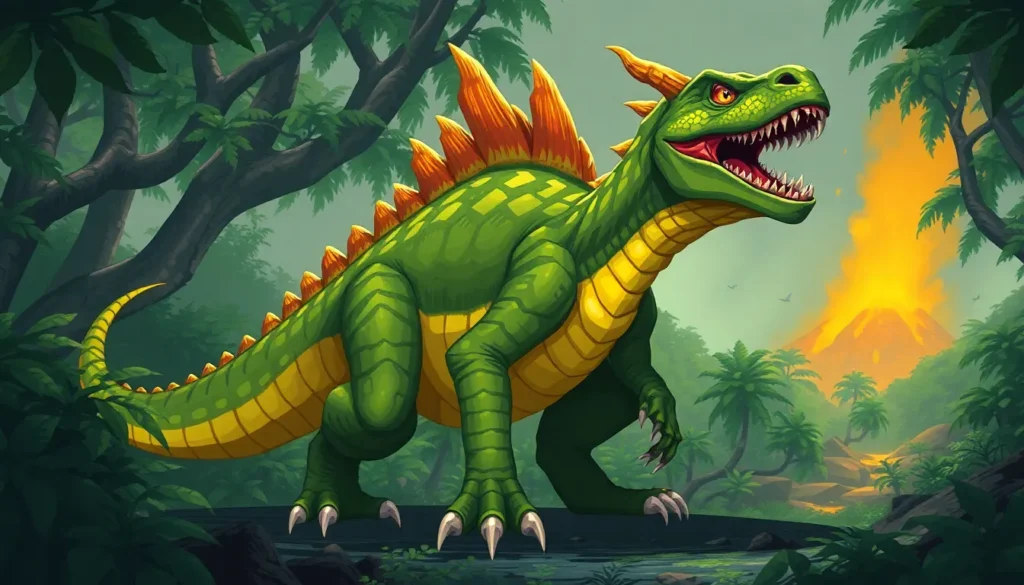
Devilsaur serve as one of the most iconic elite creatures in World of Warcraft Classic. These massive lizards inhabit the dense jungles of Un’Goro Crater and are easily recognized by their vivid green and yellow scales. Their imposing size and fierce disposition create an air of danger, making encounters thrilling for players.
Hunters particularly seek out Devilsaur due to their valuable loot drops. Notably, these creatures provide rare crafting materials such as Devilsaur Leather, which is essential for creating high-tier armor sets. Crafting with this leather offers benefits like increased agility and damage output, appealing to many players.
Encounters with Devilsaur present significant challenges. They boast impressive health pools, dealing substantial damage to unprepared adventurers. Engaging in battle often requires strategic planning, as their territorial nature can lead to group ambushes. Many players find that forming a team ensures greater success during encounters.
Timing plays a crucial role when hunting Devilsaur. Spawning in certain areas like the northern and southern sections of Un’Goro Crater, they require careful tracking. Players typically scout these zones for optimal spawn points to maximize their chances of finding these legendary beasts.
Every encounter contributes to the thrill of hunting. The adrenaline rush from facing a Devilsaur, coupled with the possibility of obtaining rare loot, drives players to return repeatedly. Mastering the intricacies of these fights creates a rewarding experience uniquely tied to the WoW Classic journey.
Characteristics of Devilsaur
Devilsaur stand out as remarkable creatures within World of Warcraft Classic, known for their striking features and formidable presence.
Appearance and Size
Devilsaur boast vibrant scales, predominantly green and yellow, which help them blend seamlessly into the dense jungle environment of Un’Goro Crater. Their giant frames typically reach lengths of up to 40 feet, emphasizing their intimidating stature. Strong limbs and massive jaws complete their fearsome appearance, accentuating their status as apex predators in the game. Notably, their wide, reptilian eyes give them an alert and menacing look. Hunters easily recognize these beasts from a distance due to their extraordinary size and colorful patterns, making encounters both thrilling and memorable.
Unique Abilities
Devilsaur possess unique abilities that enhance their danger and challenge in battles. They utilize a powerful charge attack, which can close gaps between them and their prey quickly. Additionally, their intimidating roar can inspire fear among players, temporarily stunning nearby opponents. Significant health pools allow them to endure prolonged fights, often requiring hunters to employ strategic tactics. Furthermore, they can summon smaller creatures to aid them during combat, complicating encounters and adding depth to the hunting experience. Such capabilities elevate the Devilsaur as a prized target for serious hunters, delivering excitement and demand for well-prepared adventurers.
Locations to Find Devilsaur
Devilsaur roam primarily in Un’Goro Crater, a lush region teeming with diverse wildlife. Players can find them concentrated in specific areas within the crater.
Specific Zones
Encountering Devilsaur occurs frequently in three main zones: the eastern side, the western part, and the area around the volcano. The eastern side features dense vegetation, providing cover for these massive lizards. They often patrol the outskirts near the water sources. The western part, characterized by its open spaces, showcases these predators basking in the sun. Additionally, players commonly spot Devilsaur near the volcano, where they roam in search of prey. Each location offers a different hunting experience, making exploration essential for successful encounters.
Respawn Timers
Respawn timers play a crucial role in hunting Devilsaur. Typically, these creatures respawn every 20 to 30 minutes after being defeated. Players must remain vigilant, returning to known spawn points during this period. Knowing the respawn timing enhances opportunities for encounters, allowing hunters to plan their strategies effectively. Ideally, keeping track of multiple spawn points ensures a consistent flow of action and engagement. Managing time wisely can boost hunting success rates significantly in this thrilling pursuit.
Best Strategies for Hunting Devilsaur
Hunting the Devilsaur requires careful planning and execution. Players must consider their gear and tactics to succeed in this challenging endeavor.
Recommended Gear
Equipping proper gear maximizes a hunter’s chances against the Devilsaur. Critical items include high-damage weaponry and armor that enhances agility. Items like the Serpent Sting or other damage-over-time abilities increase effectiveness in combat. Enchantments that boost attack power can enhance survival rates against these fierce predators. Additionally, using potions like Healing Potions for health recovery during battles proves essential. Players should also carry ammunition that deals increased damage to ensure optimal performance.
Group versus Solo Tactics
Choosing between group and solo play impacts the hunting strategy for the Devilsaur. Groups provide added support with roles such as tank and healer, enhancing overall survivability. Coordinated attacks allow for quicker dispatching of the creature, making group tactics preferable for many players. Conversely, solo hunters can utilize stealth to track and ambush the Devilsaur, minimizing direct confrontation. Successful solo hunters rely on high mobility and ability to disengage when necessary. Ultimately, selecting a strategy aligns with each player’s style and expertise while hunting these illustrious beasts.
Loot and Rewards from Devilsaur
Devilsaur provide a wealth of loot that enhances gameplay in World of Warcraft Classic. Players often focus on two main categories: rare drops and common resources.
Rare Drops
Rare drops from Devilsaur include coveted items like Devilsaur Leather and specific recipe plans. Obtain Devilsaur Leather, a crucial crafting material, for high-tier armor sets that boost agility and damage output. Unique items such as the Mask of the Devourer and the Devilsaur Gauntlets also drop occasionally, offering added advantages for both hunters and crafters. Generally, these rare items can significantly elevate a player’s character performance, making the Devilsaur hunt particularly rewarding.
Common Resources
Common resources dropped by Devilsaur include items like Thick Hide and various greens and blues from defeated creatures. Thick Hide is useful for crafting and can be sold for a decent profit on the auction house. Additionally, players often receive lesser quality weapons or gear, which serve as valuable experience points and contribute to leveling skills. While these common resources may not be as exciting as rare drops, they still play an essential role in maximizing overall gains from each encounter.
The hunt for Devilsaur in World of Warcraft Classic offers both excitement and challenge. Their striking appearance and powerful abilities make them memorable foes in the lush landscapes of Un’Goro Crater. For hunters seeking valuable loot and crafting materials, these apex predators are essential targets.
Mastering the strategies for hunting Devilsaur not only enhances gameplay but also adds a layer of thrill to the adventure. With careful planning and teamwork, players can conquer these beasts and reap the rewards they provide. The pursuit of Devilsaur remains a significant aspect of the WoW Classic experience, drawing players back time and again to face these legendary creatures.