



Table of Contents
ToggleIf you’ve been following the gaming scene, you’ve probably noticed that the line between gaming merchandise and functional gear has blurred dramatically. The Call of Duty mini fridge represents that sweet spot perfectly, it’s not just another piece of memorabilia gathering dust on a shelf. This is a functional appliance that doubles as a statement piece for your gaming setup. Whether you’re a die-hard franchise veteran grinding through Warzone or a collector hunting down the latest official CoD merch, a dedicated mini fridge designed around one of gaming’s biggest franchises checks a lot of boxes. Let’s dig into what makes the Call of Duty mini fridge a compelling buy for gamers in 2026.
Key Takeaways
- A Call of Duty mini fridge combines functional beverage cooling with collectible gaming merchandise, making it an ideal addition to curated gaming setups that reflect franchise passion.
- Official licensed versions priced between $200–$350 USD offer better durability (5–7 years), warranty support, and resale value (60–75% retention) compared to generic alternatives that depreciate faster.
- The thermoelectric cooling system operates quietly at 25–35 decibels and efficiently cools beverages 8–12 degrees Celsius below room temperature, eliminating kitchen trips during gaming marathons and streaming sessions.
- Proper placement within arm’s reach, adequate ventilation (4–6 inches from walls), and regular maintenance like cleaning door seals and defrost cycles extend the mini fridge’s lifespan significantly.
- Call of Duty mini fridge value justifies its premium cost for dedicated franchise fans building intentional gaming spaces with coordinated peripherals and aesthetic cohesion, but budget-conscious gamers should prioritize core hardware first.
What Is The Call Of Duty Mini Fridge?
Design And Aesthetics
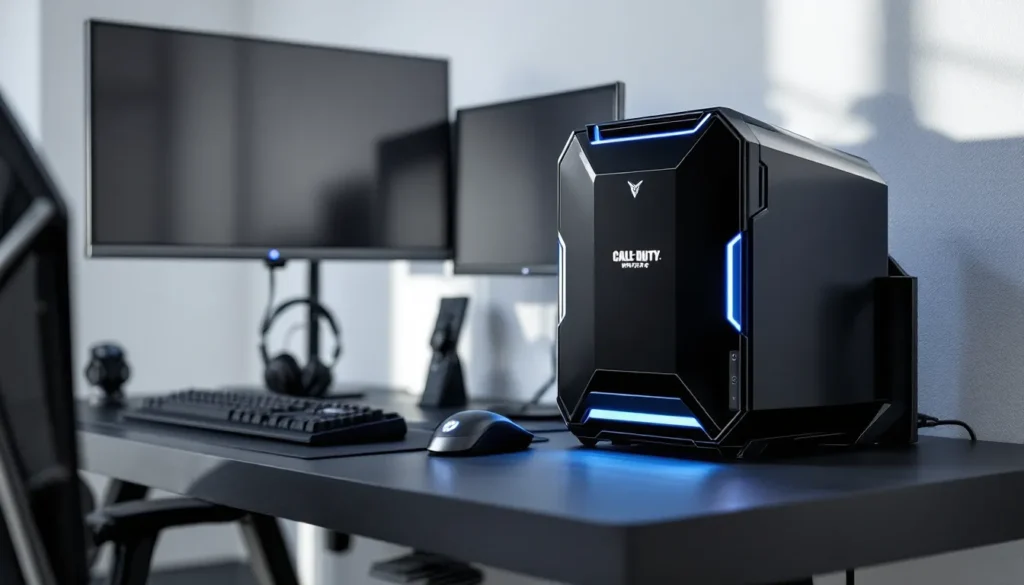
The Call of Duty mini fridge isn’t your standard dorm-room cooler. It’s a compact refrigeration unit built with the franchise’s visual identity baked in. Expect the iconic CoD branding, that distinctive military aesthetic with sleek black or tactical color schemes depending on the specific model. The exterior typically features the franchise logo, and some versions incorporate game-specific imagery or current game art tied to the latest title in the series.
The design language pulls from modern gaming peripherals rather than generic kitchen appliances. It’s sized to fit under a desk, on a gaming shelf, or wedged into the corner of a streaming setup without dominating the space. The visual impact is immediate: gamers recognize it as CoD merchandise at a glance. The build quality varies by model year, but licensed versions tend to use durable plastic that resists scratching and maintains its aesthetic over time.
Official Licensing And Authenticity
Not all Call of Duty mini fridges are created equal. Official versions come through licensed manufacturers partnering directly with Activision and the Call of Duty IP holders. These carry the authentic branding, warranty coverage, and quality assurance that justify the premium pricing.
Authentic units display official licensing information on the product specifications and packaging. You’ll see the Activision logo alongside the manufacturer’s branding. Third-party or knockoff versions exist (as with most gaming merch), so buyer beware, check retailer credibility and product documentation before purchasing. Genuine units come with proper warranty coverage, customer support, and the reassurance that your money’s actually supporting the franchise you love.
Why Gamers Are Obsessed With Gaming Merchandise
Collectibility And Fandom Appeal
Gaming merchandise taps into something deeper than casual fandom. When a gamer buys a Call of Duty mini fridge, they’re not just purchasing cooling capacity, they’re investing in a tangible piece of their identity. The Call of Duty franchise has dominated the first-person shooter space for nearly two decades, and that longevity breeds serious collector appeal.
Each title release or seasonal update often brings new merchandise drops, creating scarcity and urgency. Limited-edition runs, exclusive retailer variants, and region-specific versions turn these items into collectible objects. Gaming enthusiasts view pieces like mini fridges similarly to how traditional collectors view figurines or memorabilia, as investments and status symbols within their community.
The social element matters too. Displaying a Call of Duty mini fridge in your streaming background or gaming room becomes a conversation starter. It signals commitment to the franchise and creates visual cohesion across your setup. For esports enthusiasts and content creators, branded merchandise like this reinforces their gaming identity to audiences.
Functional Gaming Setup Enhancements
Here’s where the mini fridge transcends pure collectibility: it serves an actual purpose during gaming marathons. Long streaming sessions, competitive tournaments, or weekend raid binges benefit from having cold beverages within arm’s reach. A mini fridge eliminates constant trips to the kitchen, keeping you in the zone.
From a setup perspective, a compact, branded fridge adds personality while solving a practical problem. Gaming setups have evolved into curated spaces that reflect personal style, your desk, monitor stand, lighting, and peripherals all work together. A Call of Duty mini fridge integrates seamlessly into this ecosystem. It’s functional decoration that actually gets used, which gamers appreciate more than static collectibles.
The ergonomic benefit is real too. Competitive players and streamers optimize every aspect of their setup for comfort and efficiency. Having beverages within immediate reach reduces friction during intense moments and keeps hydration convenient without breaking focus.
Call Of Duty Mini Fridge Features And Specifications
Cooling Capacity And Performance
Most Call of Duty mini fridges operate on standard thermoelectric cooling systems, the same tech found in portable coolers and compact dorm fridges. Cooling capacity typically ranges between 4–6 liters (roughly 15–20 12-oz cans), though this varies by model. The cooling power usually reaches around 8–12 degrees Celsius below ambient room temperature, adequate for keeping beverages chilled but not for deep-freezing.
But, don’t expect Tesla-level precision. These units aren’t commercial-grade refrigeration. Cooling performance depends on room temperature, ambient humidity, and how often you open the door. In a typical gaming room environment (around 20–22°C), you’ll see consistent chilling within 2–4 hours of startup. During summer months or warmer climates, cooling effectiveness may decrease slightly.
The compressor (if AC-powered models) or thermoelectric element runs quietly in the background. Power consumption sits around 40–60 watts during operation, making it energy-efficient compared to full-sized fridges. Most units maintain consistent temperatures once the contents reach the target cold level.
Storage Options And Interior Layout
The interior layout varies by model, but expect compact shelving designed for typical gaming beverages. Some versions feature a single shelf configuration with open storage: others include 2–3 adjustable shelves that accommodate cans, bottles, or energy drink bottles. Shelf heights typically range from 150–200mm apart, limiting large container storage but working perfectly for standard beverages.
A typical 4-liter unit holds roughly 8–10 standard cans when shelves are optimized. If you’re stocking mixed sizes, tall bottles, glass bottles, and cans, capacity decreases as you work around container shapes. The door storage area (if present) usually features a single or dual pocket, ideal for smaller items or condiment bottles.
Drain plugs at the base allow for easy defrost cycles and cleaning. Most units have removable shelves and liners for maintenance access. The interior dimensions are compact, typically around 45–50cm in height, 35–40cm in width, and 25–30cm in depth, ensuring they fit most standard gaming desks or shelving configurations.
Power Requirements And Noise Levels
Call of Duty mini fridges come in two power variants: USB-powered and AC-powered. USB models require a standard USB 3.0 or higher port, drawing around 40 watts and cooling slower than AC versions. These work great for stationary desk setups where you have available USB power. AC-powered models plug directly into wall outlets and deliver faster, more consistent cooling.
Noise output is minimal, most units operate at 25–35 decibels during active cooling, roughly equivalent to a quiet library or whisper. Unlike older mini-coolers that buzzed and hummed, modern thermoelectric models are remarkably silent. This matters for streamers and competitive gamers who need clean audio without background mechanical noise interfering with microphone recordings.
Duty cycle (how often the cooling element runs) affects noise perception. Units running continuously at low power generate consistent background hum. Models with temperature sensors that cycle on and off create occasional subtle mechanical sounds. Neither is loud enough to disrupt gameplay or streaming, but the cyclic versions feel slightly quieter subjectively.
Voltage requirements: AC models typically operate on standard 110–240V, making them compatible with global power standards. USB models work anywhere you have USB power, from PC towers to wall adapters.
Where To Buy And Pricing Breakdown
Official Retailers And Availability
Authentic Call of Duty mini fridges distribute through official channels. The primary source is typically the official Call of Duty merchandise store (housed within the Activision ecosystem). Amazon carries licensed versions, usually from verified sellers with proper Activision partnerships. Best Buy and GameStop stock official versions when they’re in active production runs.
Target, Walmart, and other major retailers sometimes carry gaming-licensed products, though stock varies seasonally. The most reliable approach: start with the official Call of Duty store, verify seller credentials on Amazon, or contact GameStop directly about availability. Regional availability fluctuates based on release windows tied to new game launches.
When purchasing, verify the seller’s authentication credentials. Look for the official Activision branding on product listings and check seller ratings. Licensed retailers display certification information prominently. Counterfeit mini fridges exist on lesser-known marketplaces, so stick with established retailers to avoid knockoffs with poor build quality and zero warranty support.
Pricing Across Different Platforms
Pricing for official Call of Duty mini fridges ranges between $200–$350 USD depending on model, capacity, and regional market variations. The base models with standard cooling and minimal storage typically sit at the lower end. Premium versions with expanded capacity, enhanced aesthetics, or special-edition branding command higher prices.
Breakdown by retailer:
- Official CoD Merchandise Store: $249–$299 (tends to match MSRP)
- Amazon: $199–$349 (varies by seller and stock availability)
- Best Buy: $229–$279 (periodic sales around major game launches)
- GameStop: $219–$299 (member discounts occasionally available)
- Walmart/Target: $209–$319 (stock inconsistent, pricing varies)
International pricing shifts considerably. European retailers mark up 20–30% due to import costs and VAT. Shipping costs impact total price, direct orders from US retailers to EU can add €40–€80 to final cost. Australian and Asian pricing typically runs 25–35% higher than US MSRP.
Seasonal variations occur around game launches. Expect promotional pricing (5–15% discounts) roughly 6–8 weeks after a major Call of Duty release. Black Friday and holiday shopping seasons bring limited-time deals on excess stock.
Secondary Market And Resale Value
Secondary market pricing for Call of Duty mini fridges depends heavily on model age, condition, and rarity. Current-generation models (tied to recent game titles) hold value reasonably well, expect 60–75% of original MSRP on the secondary market 6–12 months after purchase.
Older or limited-edition models sometimes appreciate in value, particularly special variants tied to specific game releases or regions. A pristine, boxed unit from a discontinued model can command 100–120% of original retail if it’s become hard to find. But, standard models depreciate like most gaming peripherals, by 2–3 years post-release, expect 40–55% resale value.
Condition dramatically impacts secondary market price. Sealed, unopened boxes fetch premium rates. Used units with all original accessories and in excellent cosmetic condition get 70–80% of original price. Units with visible wear, missing documentation, or without original packaging drop to 50–65%.
Breakeven resale typically occurs 12–18 months post-purchase if the unit remains in good condition. After that window, depreciation accelerates unless the model becomes discontinued and collectible. For gamers viewing this as an investment, timing your purchase to cycles aligned with new game releases works in your favor for eventual resale.
Call Of Duty Mini Fridge Vs. Competitor Gaming Fridges
Comparison With Other Licensed Gaming Fridges
The mini fridge market has expanded well beyond Call of Duty. Competitors include branded units from major franchises, Halo, Fortnite, PlayStation, Xbox, and generic gaming brands. Each occupies a slightly different niche based on licensing strength and target audience.
Call of Duty vs. Halo: Halo mini fridges offer similar capacity and cooling tech. The main difference is aesthetic, CoD leans military-tactical while Halo embraces sci-fi futurism. Pricing is comparable ($240–$320). Call of Duty holds broader market appeal due to franchise ubiquity, but Halo appeals strongly to Xbox-centric gamers.
Call of Duty vs. Fortnite: Fortnite merchandise skews toward younger audiences with brighter color schemes. Technically comparable, but Fortnite variants often feature character skins or seasonal content art. CoD fridges maintain more sophisticated, universally acceptable aesthetics.
Call of Duty vs. Generic Gaming Brands: Unbranded gaming fridges (sold under generic gaming peripheral brands) undercut licensed options by $50–$100. The trade-off: no official branding, potentially lower build quality, and zero franchise support. Gamers choosing between licensed and unlicensed typically prefer official options even though higher cost for warranty and collectibility.
Call of Duty vs. Platform-Specific Models: PlayStation and Xbox offer console-branded fridges with console aesthetics. These appeal to console-exclusive communities but lack the franchise-specific appeal of CoD. Performance is similar, but collectibility favors franchise-branded units over generic platform merchandise.
Call of Duty’s dominance in the competitive shooter space gives its merchandise broader appeal. The franchise’s visual identity translates cleanly to appliance design without compromising functionality.
Value For Money Analysis
Value assessment depends on how you weigh collectibility, functionality, and longevity. From a pure cooling-capacity perspective, a Call of Duty mini fridge costs roughly $35–$50 per liter of storage, expensive compared to generic mini-coolers at $15–$25 per liter. You’re absolutely paying a premium for the branding.
But, the value equation shifts when you factor in setup cohesion and collectibility. Gamers who invest in their space, quality monitors, mechanical keyboards, RGB lighting, often budget for branded pieces that tie themes together. In that context, the mini fridge becomes part of a larger aesthetic investment, not an isolated purchase.
Durability matters for value retention. Licensed products from established manufacturers typically last 5–7 years with normal use. Generic brands often fail within 2–3 years. The $100+ price difference between Call of Duty and unbranded versions pays for reliability if you keep the unit beyond 3–4 years.
Resale value works in CoD’s favor too. A well-maintained Call of Duty mini fridge retains 60–75% value after 2 years: generic brands drop to 30–40%. If you ever sell or upgrade, you’ll recover substantially more from official merchandise.
Bottom line: Pure functionality? You’re overpaying. As a gaming setup piece combining decent cooling with collectible appeal and longevity? The value justifies the cost for dedicated fans. For casual gamers who just want cheap beverage cooling, unbranded options win on dollars-per-degree.
How To Style Your Gaming Setup With A Call Of Duty Mini Fridge
Placement And Space Considerations
Optimal placement balances visibility, accessibility, and thermal efficiency. Most gaming setups feature a desk with monitor(s), keyboard, mouse, and surrounding shelving. A Call of Duty mini fridge works best positioned within arm’s reach, either side of the desk or on a lower shelf that doesn’t obstruct your view of the screen.
Ideal placements:
- Right or left desk corner (easy access during gameplay)
- Floor-level on a rolling cart or shelf unit (keeps it accessible without cluttering desk surface)
- Wall-mounted shelf at eye level behind your chair (visible during stream backgrounds)
- Under-desk cabinet or shelf space (maximizes floor real estate without visual clutter)
Thermal efficiency requires air circulation. Avoid enclosed spaces with limited ventilation. Position the unit at least 4–6 inches from walls to allow airflow around the cooling vents. Gaming rooms tend to warm up with multiple monitors and lighting, so place the fridge in areas with decent air movement.
Visual balance matters aesthetically. If your setup leans toward a particular color scheme, RGB lighting, sleek blacks, tactical grays, position the fridge where it complements that aesthetic rather than clashing. The CoD visual identity tends to work with dark, minimalist gaming spaces and steel-color peripheral setups.
Pairing With Gaming Peripherals And Decor
A mini fridge becomes truly integrated when paired thoughtfully with other setup elements. Call of Duty theming across your peripherals creates visual cohesion. If you have a CoD gaming mouse, headset, or mechanical keyboard, the mini fridge reinforces that thematic consistency.
RGB lighting integration enhances visual impact. Placing the fridge where LED accent lighting hits it creates dynamic visual interest. Tactical blacks and steel grays in the CoD branding photograph well against blue or white ambient lighting, popular in gaming setups.
Wall art and shelving create context. If you have Call of Duty Call of Duty Mega or other franchise collectibles displayed nearby, the mini fridge becomes part of a broader collection display. It’s no longer isolated merch but part of an intentional aesthetic.
For streamers, camera angles matter. Position the fridge in your stream background where it’s visible but not dominating. It creates a branded aesthetic without looking cluttered or forced. Gaming audiences recognize franchise merchandise, and it adds authenticity to your streaming environment.
Contrast this approach with setup confusion, random game posters, mismatched peripherals, and clashing color schemes dilute impact. The mini fridge shines in curated setups where theming is intentional. Pair it with gaming furniture, coordinated lighting, and supporting collectibles for maximum impact.
You don’t need every piece of your setup CoD-branded. A single focal point (like the mini fridge) works better than overdoing it. Let the fridge anchor your gaming space without creating a room that looks like a merchandise store.
Pro Tips For Care And Maintenance
Keeping Your Mini Fridge In Top Condition
Thermoelectric coolers require minimal maintenance compared to compressor-based units, but best practices extend lifespan significantly. First, clean internal surfaces monthly using a soft, damp cloth. Avoid harsh chemicals that degrade plastic. For stubborn residue, dilute vinegar works effectively without damaging components.
Door seals collect dust and debris over time, reducing cooling efficiency. Wipe the rubber gasket quarterly with a dry cloth. Check for visible tears or degradation, if the seal cracks, cooling drops significantly and the unit works harder, shortening lifespan.
Defrost cycles matter. Even sealed units accumulate condensation, which can freeze on the cooling element in cold room environments. If you notice cooling degradation, unplug the unit and let it defrost for 4–6 hours. Place a towel underneath to catch water. Most units include a small drain valve, open it to direct water into a bucket or sink.
Ventilation around the unit prevents overheating the cooling element. Ensure 4–6 inches of clearance on sides and back. Don’t pack shelves around it tightly. Dust buildup on external vents reduces heat dissipation, so wipe the exterior gently every 2–3 months.
Content management affects longevity. Avoid overstuffing the unit, cramming too many items blocks air circulation inside. Store items at the back, leaving front space for air to circulate. Remove and rearrange items monthly to ensure airflow reaches all contents.
Temperature cycling reduces thermoelectric element lifespan. Rapid on-off cycles from frequent door opening cause stress. Group beverage grabs together rather than opening constantly. If your room temperature fluctuates significantly (AC in summer dropping it dramatically, heating in winter raising it), the unit compensates constantly, this accelerates wear.
Warranty And Customer Support
Official Call of Duty mini fridges typically come with 1–2 year manufacturer warranties covering defects in materials and workmanship. This coverage includes cooling element failure, seal degradation, and electrical component issues. Review your specific warranty documentation, coverage varies by manufacturer and retailer.
Warranty exclusions typically cover physical damage, liquid damage (from spills inside the unit), modifications, and normal wear. Opening the unit and attempting repairs often voids coverage. If something stops working, contact customer support before troubleshooting yourself.
Purchase documentation matters. Save your receipt, original packaging if possible, and warranty paperwork. Many manufacturers require proof of purchase for warranty claims. Digital receipts work fine, but having documentation organized prevents headaches if something fails.
Customer support varies by retailer and manufacturer. Official Activision channels provide direct support for authentic products. Amazon purchases benefit from their A-to-Z guarantee if anything goes wrong. Best Buy and GameStop offer return windows (typically 15–30 days) for defective units.
For issues beyond warranty (4+ years in), consider repair costs. Cooling element replacement runs $80–$150 depending on the unit. If a 6-year-old fridge starts failing and repair costs exceed 50% of current retail price, replacement becomes more economical.
Always register your product with the manufacturer if registration is available. This ensures you receive recall notifications and warranty updates. Some manufacturers extend warranties for registered products or provide extended coverage options at discount prices.
Is A Call Of Duty Mini Fridge Worth The Investment?
The honest answer depends on your priorities. If you’re purely optimizing for cooling capacity per dollar, there are cheaper solutions. But if you’re building a cohesive gaming space and you genuinely love the Call of Duty franchise, the equation changes.
Consider the functional angle first. A mini fridge solves a real problem during gaming sessions, keeping beverages accessible without kitchen trips. That’s worth something. You’re not paying purely for branding: you’re getting an appliance that handles that job reasonably well. The thermoelectric cooling system delivers consistent performance for 5–7 years with proper care. That durability adds value over generic alternatives that might fail in 2–3 years.
Collectibility and setup aesthetics matter too. Gaming communities recognize franchise merchandise. A Call of Duty mini fridge signals investment in your space and passion for the franchise. For streamers, content creators, and competitive players who care about their setup aesthetic, that’s measurable value. It influences how audiences perceive your environment and contributes to your overall brand presentation.
Resale value works in your favor if you ever need to exit. A well-maintained unit will recover 60–75% of your investment after 2 years, compared to 30–40% for generic brands. That’s a meaningful difference if upgrades come down the line.
Budgetary reality: $250–$300 is substantial for a piece of gaming furniture. If your gaming budget is tight, this isn’t essential. But if you’re already investing in quality peripherals, good monitors, and comfortable seating, the mini fridge fits logically into that tier of setup investment.
Franchise loyalty matters. Exploring the Impact of examines how the franchise dominates competitive gaming. If you’re an active player who spent hundreds of hours in Warzone, Modern Warfare, or Black Ops titles, you’re already emotionally invested. The mini fridge becomes a natural extension of that commitment.
For casual gamers who might dabble in Call of Duty between other franchises? Pass. Invest in better speakers, a nicer chair, or more gaming software. For franchise enthusiasts building a curated space? Call of Duty Mods: highlights how players customize their experience, the mini fridge fits that customization mindset.
One final consideration: gaming hardware cycles. Peripherals like mice and keyboards become outdated quickly. A mini fridge, but, remains functionally relevant across multiple hardware generations. It’s less subject to obsolescence, which enhances long-term value retention.
Bottom line: It’s worth the investment if you’re a dedicated fan with a budget for gaming setup investments. It’s not essential if you’re prioritizing core gaming hardware or operating on limited funds. It’s a mid-tier purchase that rewards franchise passion and setup optimization.
Conclusion
The Call of Duty mini fridge occupies a unique space in gaming merchandise, it’s functional hardware that doubles as collectible décor. For gamers building intentional spaces, supporting franchises they love, or seeking practical solutions for extended gaming sessions, it delivers tangible value beyond pure novelty.
The specifications are solid: thermoelectric cooling systems deliver consistent performance, noise levels stay minimal for streamers and competitive players, and power efficiency doesn’t drain electricity bills. Pricing sits at a premium compared to unbranded coolers, but official licensing, warranty support, and resale value justify the markup.
Placement in your setup matters. A well-positioned mini fridge enhances rather than clutters your gaming environment. Paired with coordinated peripherals and thoughtful aesthetic choices, it becomes part of a cohesive, curated space that reflects your gaming identity.
If you’re already invested in Call of Duty, whether through thousands of multiplayer hours, collecting Call of Duty TMNT: Epic Crossover Blends Ninja Stealth with Military Action – Surfsizenow content, or following esports competition, this purchase aligns naturally with your gaming lifestyle. The investment pays dividends across functionality, aesthetics, and resale value.
For broader context on the franchise’s reach across platforms, Call of Duty for PS4: Experience Epic Battles and Unforgettable Adventures – Surfsizenow showcases the game’s multi-platform dominance. The mini fridge fits seamlessly into any console gaming setup.
Worth it? If you love the franchise and budget for gaming investments, absolutely. If you’re purely optimizing for cooling functionality on a budget, look elsewhere. But for gamers who view their setup as an extension of their gaming identity, the Call of Duty mini fridge makes sense. It’s practical, it looks good, and it signals your commitment to a franchise that’s defined competitive gaming for nearly two decades.
Performance reviews across TechRadar, Dexerto, and Digital Trends have highlighted the reliability of licensed gaming appliances. The Call of Duty variant holds its own against competitors in the gaming merchandise space, delivering on both form and function.