



Table of Contents
ToggleCall of Duty Zombies perks are the backbone of survival in the mode. These power-ups define how you play, what strategies you can execute, and eventually whether you’re grinding to round 50 or getting knocked down at round 10. Whether you’re a casual player running through a few rounds for fun or a dedicated player pushing for high-round attempts, understanding perks isn’t optional, it’s essential. This guide breaks down every perk available in 2026’s Zombies meta, explains how they work, and shows you exactly which ones to prioritize based on your playstyle.
Key Takeaways
- Call of Duty Zombies perks are purchasable power-ups costing 500–2500 points that permanently boost your health, damage, reload speed, and survival capabilities throughout each round.
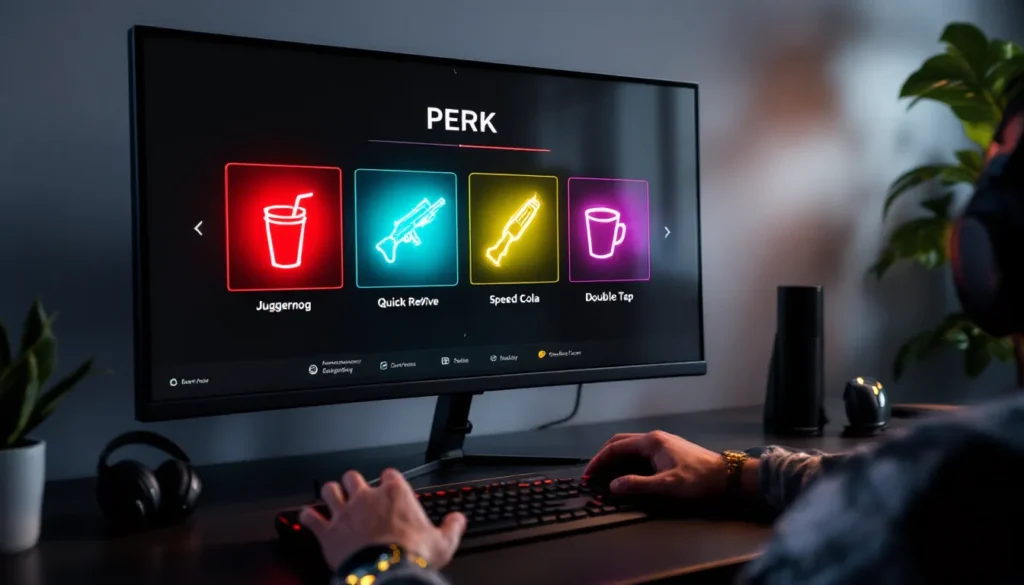
- The classic perk foundation—Juggernog, Quick Revive, Speed Cola, and Double Tap—remains essential across all playstyles, with Juggernog doubling your health and Speed Cola cutting reload times by 33%.
- Avoid buying perks in rounds 1–5; prioritize weapons first, then purchase Juggernog and Quick Revive once you’re comfortable, saving your economy for mid-round perk progression.
- Team coordination demands role-based perk allocation, so designate one player for Quick Revive and spread perks across the squad rather than duplicating the same four perks.
- Modern Call of Duty Zombies perk tiering systems allow you to upgrade perks to Tier 2 for 75% of the original cost, doubling effects—prioritize tiering Juggernog and Quick Revive before offensive perks.
- High-round strategies (round 50+) depend on finalizing your four-perk loadout by round 30 and then tiering aggressively while managing ammunition, not buying new perks after the early mid-game.
What Are Zombies Perks And Why They Matter
Perks in Call of Duty Zombies are purchasable power-ups that grant permanent benefits for the remainder of that round, or until you’re downed, depending on the game version. They’re bought with in-game currency (points) and typically cost between 500-2500 points depending on the perk and game version.
Why do perks matter? Simple: they transform your effectiveness. A perk might boost your health pool, increase weapon damage, speed up revives, or provide utility like faster movement. Without perks, you’re playing with both hands tied behind your back. With the right loadout, you’re nearly unstoppable.
The difference between a player who grabs perks strategically and one who skips them is night and day. Your TTK (time-to-kill) improves, your survivability skyrockets, and you unlock playstyles that would otherwise be impossible. In competitive or high-round play, perk selection is as critical as weapon choice.
How Perks Work In Modern Zombies
Perks function differently depending on which Call of Duty title you’re playing. In recent titles like Black Ops Cold War and Black Ops 6, the perk system was overhauled significantly compared to classic versions.
Point Cost and Purchase Mechanics
In Cold War and Black Ops 6, perks typically cost between 500-2500 points at machines scattered across the map. Once purchased, the effect activates immediately and persists for the rest of your session unless you’re downed (in some modes) or reach certain progression thresholds. Some perks auto-deactivate after specific rounds, a mechanic designed to keep early-game perks from dominating late-round play.
Perk Limits and Scaling
Modern Zombies typically caps you at 4 active perks at once, though certain challenges or limited-time events may allow more. The cost of each perk scales slightly as you progress, a mechanic to balance economy in later rounds. Also, newer titles introduced tiered perks, where a single perk can be “upgraded” for additional effects.
Perk Deactivation and Downing
Getting downed typically strips all active perks in most versions. This is a core survival mechanic: high-round players can’t become completely unkillable through perk stacking. Understanding when you’re vulnerable, when perks drop off or when you’re revived without them, is crucial to staying alive.
Interestingly, Mastering Call of Duty: covers advanced survival mechanics that pair well with perk knowledge.
Classic Perks That Define The Game Mode
These four perks are the pillars of Zombies. They’ve appeared in nearly every iteration of the mode and remain essential in 2026.
Speed Cola And Movement Advantages
Speed Cola (cost: 3000 points in Black Ops 6) is the gold standard for weapon handling. It cuts reload times, weapon swap speed, and ADS (aim-down-sights) speed by roughly 33%. For aggressive players who rely on constant firing and repositioning, Speed Cola isn’t luxury, it’s mandatory.
Why it dominates: reload animations can be the difference between life and death. When a horde is closing in, that extra second wasted on reloading costs health or downs. Speed Cola compresses every weapon interaction into snappier moments.
Variants in other titles: Cold War’s Speed Cola provides similar benefits but with slightly different scaling. Always check patch notes for the specific version you’re playing.
Juggernog And Extra Health
Juggernog (cost: 2500 points) is the health insurance policy. It doubles your health pool from 100 to 200 HP, making you significantly harder to one-shot by late-round zombies.
This perk is non-negotiable in solo play and essential in team scenarios. Without Juggernog, even casual rounds become punishing. With it, you gain breathing room to make mistakes, and you will make mistakes in high rounds.
The math: Juggernog effectively gives you two times the durability. That’s not a small margin: that’s the difference between clutching a revive and getting overwhelmed.
Quick Revive And Team Survival
Quick Revive (cost: 1500 points solo, 2500 multiplayer) speeds up revival time by 50% and allows self-revive in solo play. In team games, it’s about getting downed teammates back into the fight faster.
Solo vs. Multiplayer: In solo, Quick Revive grants limited self-revives (usually 3-4 per session depending on the title). In multiplayer, it only affects how fast you can revive teammates. This distinction matters tremendously for squad coordination, a player with Quick Revive nearby is your lifeline.
High-round strategy: Many solo grinders skip Quick Revive in early rounds to save points, then purchase it once downs become inevitable. It’s a calculated risk.
Double Tap And Weapon Effectiveness
Double Tap (cost: 2000 points) grants a 25% fire rate increase and, critically, an additional bullet per shot in most versions. That translates to roughly 50% more DPS (damage-per-second) if you’re landing headshots.
Variations across titles: Some versions double magazine capacity instead of fire rate: always verify in your specific game version. In Cold War, Double Tap 2.0 provides fire rate and magazine boosts.
Weapon synergy: Double Tap shines with weapons that benefit from raw rate of fire, SMGs, ARs, LMGs. On sniper rifles or shotguns, the benefit is less pronounced since you’re not spraying rounds constantly.
There’s solid overlap here with Mastering Call of Duty, where weapon optimization pairs directly with perk selection.
Newer Perks And Recent Additions
Black Ops 6 introduced and refined several perks that have reshaped the meta since 2024.
Elemental Pop (cost: 3500 points) applies a damage-over-time effect to any weapon, causing zombies damaged by you to explode in elemental damage after taking enough hits. In practice, this creates a chain-reaction effect that crowds thin out dramatically.
This perk thrives in mid-to-high rounds where crowd control becomes critical. It’s less valuable in early rounds where crowd pressure isn’t severe.
Mule Kick (cost: 4000 points) grants a third weapon slot, letting you carry three guns instead of two. For players using weapon rotation strategies (switching between an AR, SMG, and LMG), Mule Kick is transformative.
Economy consideration: At 4000 points, it’s pricey. Solo players often skip it in favor of cheaper perks, but competitive teams frequently prioritize it.
Stamin-Up (cost: 2000 points) increases movement speed by 25% and sprint duration. This doesn’t sound revolutionary, but mobility is survival. Faster repositioning means more opportunities to kite zombies and less time in vulnerable positions.
Deadshot Daiquiri (cost: 1500 points) is the aim-assist perk, it improves accuracy and provides a slight damage boost to headshots. In controller-based play, it’s solid: on mouse and keyboard, it’s less impactful since precision is already high.
Note: Deadshot’s benefits vary by platform. PC players using M&K may see minimal benefit compared to controller users.
Recent balance patches have shifted perk effectiveness. According to Game Rant’s gaming news coverage, meta analysis shows that Stamin-Up and Mule Kick have climbed in priority for competitive players in 2026, reflecting map design changes that reward mobility.
Widow’s Wine (cost: 4500 points) creates explosions when you hit zombies, slowing nearby enemies. It’s situational but devastating in tight corridors or when train-building.
Perk Power-Ups: Modern Zombies sometimes spawns temporary perk tokens during rounds, one-time bonuses that mimic perk effects without consuming perk slots. These change frequently with updates, so check your patch notes.
Elemental And Specialized Perks
Starting in Black Ops 6, elemental-based perks added a new dimension to Zombies strategy.
Blaze Phase and similar elemental perks grant weapon effects like fire, frost, or electric damage. These aren’t traditional perks in the Juggernog sense, they’re more akin to modifier effects. They’re extremely round-dependent: fire damage shines in early-to-mid rounds, while frost slow effects matter more in high rounds where crowd control is paramount.
Platform availability: These perks are currently available on PC, PS5, and Xbox Series X
|
S. Older-gen console versions may lack them depending on the title.
Specialty perks like Tombstone (enables item drops when downed) and Aftertaste (adds throwables on down) serve niche roles. They’re not core survival perks: they’re economy or tactical tools.
When to use specialty perks: In casual play, skip them. In high-round coordinated squads, they can create unique strategies. For example, a team using Tombstone can execute complex resource-sharing tactics impossible otherwise.
Perk Tiers and Upgrades: Some newer perks can be “tiered up” by purchasing them again. Tier 2 typically doubles the effect (e.g., Double Tap Tier 2 might grant 50% fire rate instead of 25%). This adds depth but requires significant points.
Tiering strategy: Prioritize tiering perks that directly impact survival, Juggernog, Quick Revive, before upgrading offensive perks like Double Tap.
Perk Selection Strategy For Different Playstyles
Not all perk combinations work for every scenario. Here’s how to build around your playstyle.
Solo Player Perk Builds
Essential Solo Four:
- Juggernog (health cushion)
- Quick Revive (self-revive buffer)
- Speed Cola (reload efficiency)
- Double Tap or Stamin-Up (DPS or mobility)
The logic: solo players face every zombie alone, so raw survival takes priority. Juggernog prevents one-shots: Quick Revive guarantees you stay in the fight. Speed Cola keeps your firing consistent: the fourth slot is flexible based on your weapon and map preference.
Early-Round Economy: In rounds 1-5, skip perks entirely and save points for weapons. Buy Juggernog first (round 5-7), then Quick Revive. Speed Cola can wait until round 10+.
Late-Round Scaling: By round 30+, you’ll have all four perks and be rationing points for ammo buys and utilities. This is where perk tiering becomes relevant, if you have 10,000+ points and nowhere to spend them on weapons, tier up Juggernog for survivability.
Weapon Synergy: If you’re running an LMG-focused loadout, Double Tap is non-negotiable. If you’re using a sniper and pistol combo, Deadshot Daiquiri might replace Double Tap.
Team-Based Perk Combinations
Role-Based Allocation:
- Designated Reviver: Quick Revive (tier it twice if possible)
- Damage Dealer: Double Tap + Speed Cola
- Utility/Support: Stamin-Up + Elemental perk
- Flex: Juggernog + map-dependent choice
Teams should not all buy the same four perks. Spread coverage. If one player has Mule Kick, others can run offensive perks. If one player prioritizes Stamin-Up, others focus on damage.
Communication: Coordinated teams call out perk purchases. Hearing “I’m getting Quick Revive first” tells your squad that revive support is locked in.
Revive Trains: Perk synergy enables specific strategies. Speed Cola + Stamin-Up allows kiting (train-building): Juggernog + Quick Revive lets aggressive players hold positions. Build perks that support your squad’s planned strategy.
More detailed strategy insights are available in Call of Duty Ghosts, which covers cooperative survival mechanics similar to Zombies team dynamics.
High-Round Strategies And Perk Optimization
Round 50+ Meta:
By round 50, perk allocation is locked in, and you’re managing with what you’ve got. The focus shifts from buying to tiering.
Tiering Priority:
- Juggernog (tier to max if possible, survivability is everything)
- Quick Revive (tier once, the self-revive buffer becomes critical)
- Speed Cola (tier if you have spare points)
- Offensive Perk (tier last)
Perk Deactivation and Economy: Most perks deactivate around round 30-35 in high-round grinds. This is intentional balancing. Plan accordingly, don’t rely on a perk that’s about to expire.
Wave Patterns and Perk Usage: In high rounds, zombie spawn patterns shift. Certain maps develop “safe zones” where training becomes efficient. Perks that enabled aggression in mid-rounds (Double Tap, Speed Cola) remain valuable, but Stamin-Up and mobility perks become more critical than ever.
Resource Management: In true high-round attempts (rounds 100+), you’re not buying new perks after round 30. You’re buying nothing but ammo and utilities. Your perk lineup is finalized, and optimization comes from playstyle execution, not new purchases.
According to Game8’s tier lists and build guides, the consensus high-round meta in 2026 prioritizes Juggernog, Quick Revive, Speed Cola, and either Mule Kick (for weapon flexibility) or Stamin-Up (for mobility).
Perk Tier Systems And Progression
Modern Zombies expanded perk interaction through tiering systems. Here’s how they work.
Tier Mechanics:
Tier 1 is the base perk as you first buy it. Tier 2 (purchased again for 75% of the original cost) doubles or significantly enhances the effect. Tier 3 (rare, requires specific conditions or challenges) provides maximum utility.
Example: Juggernog at Tier 1 gives 200 HP. At Tier 2, it might grant 300 HP or add an additional passive like 5% damage reduction. The exact scaling varies by title and patch.
Point Economy and Tiering:
Tiering is expensive. Upgrading Juggernog from Tier 1 to Tier 2 costs 1875 points (75% of 2500). If you’re managing 4-5 perks simultaneously, tiering even one per round eats significant budget. In high rounds where zombies are plentiful, this is manageable: in early rounds, it’s wasteful.
Strategic Tiering:
Early-Game: Never tier. Buy perks, move on.
Mid-Game (Rounds 15-30): Start tiering survival perks (Juggernog, Quick Revive) when point income exceeds weapon/ammo costs.
Late-Game (Rounds 30+): Tier aggressively. At this stage, points flow freely, and weapon costs scale minimally. Maximizing perk effectiveness is the optimal use of currency.
Challenge-Based Tiering:
Some perks unlock Tier 3 through challenges (e.g., “Deal 1,000 headshots while on Double Tap Tier 2”). These are long-term goals for dedicated grinders but not necessary for casual play.
Diminishing Returns: After Tier 2 for most perks, benefit increases plateau. Don’t obsess over Tier 3 unless you’re pushing world-record high rounds.
Common Mistakes When Using Perks
Even experienced players make perk blunders. Here’s what to avoid.
Mistake #1: Buying Perks Too Early
Rounds 1-5, you should have no perks. Point economy is fragile, and weapons matter more than survivability in early waves. Buying Juggernog in round 2 is throwing points at a non-problem.
Fix: Prioritize weapons first, perks after you’re consistently comfortable with round pacing.
Mistake #2: Overlapping Perk Effects
Team coordination breaks down when multiple players buy the same perk. If your squad has two Quick Revives, that’s redundancy. One should grab Mule Kick or a utility perk instead.
Fix: Call out perk purchases before committing points. “I’m going Quick Revive” prevents duplicates.
Mistake #3: Ignoring Perk Deactivation Timers
Most perks deactivate around round 30-35. Dying after round 32 and expecting your deactivated perks to help is magical thinking.
Fix: Plan for perk loss. Don’t rely on a perk that’s about to expire for crucial survival.
Mistake #4: Tiering Wrong Perks
Tiering Double Tap to Tier 2 before Juggernog reaches Tier 2 is backwards. Offense doesn’t matter if you’re dead.
Fix: Tier survivability perks first, always. Offensive perk tiering comes after Juggernog and Quick Revive are maxed.
Mistake #5: Forgetting Platform Differences
PC, PS5, and Xbox sometimes have different perk availability or balance. A strategy that works on PS5 might fail on PC due to platform-specific perks or scaling.
Fix: Check your specific platform’s perk list before planning. Patch notes are your friend, they highlight what changed in recent updates.
Mistake #6: Buying Perks You Don’t Use
Deadshot Daiquiri on M&K? Mule Kick when you’re running one-gun loadout? Waste. Every perk purchase should align with your current strategy.
Fix: Audit your perk choices mid-session. If you’re not using Stamin-Up, don’t buy it next round.
Mistake #7: Neglecting Cheaper Perks
Speed Cola at 3000 points is cheaper than Widow’s Wine at 4500. Skipping Speed Cola to save 500 points for Widow’s Wine might feel efficient, but Speed Cola’s reload boost is more universally valuable.
Fix: Build core perks first (Juggernog, Speed Cola, Quick Revive), then add situational ones.
For deeper gameplay corrections, Call of Duty Mods: Transform Your Gameplay with Epic Customizations explores how modifications interact with perks, adding another layer to optimization.
Future Of Zombies Perks And What To Expect
Zombies has evolved significantly since 2020. The perk landscape will continue shifting.
Trend #1: Elemental Perks Expansion
Cold War and Black Ops 6 introduced elemental damage mechanics. Expect future titles to expand this, fire, frost, electric, and possibly new damage types. Perks might specialize further, forcing players to choose between elemental effects.
Trend #2: Removal of Classic Perks?
This is speculative, but Activision has shown willingness to retire perks. It’s possible that iconic perks like Juggernog could be reimagined or phased out to reduce bloat. But, community backlash would be massive, so expect classic perks to persist.
Trend #3: Cross-Game Consistency
WarzoneIntegration continues blurring lines between modes. Expect perk mechanics from Multiplayer to influence Zombies balance. This could mean new perks derived from multiplayer killstreak systems.
Trend #4: Mobile Zombies
Call of Duty Mobile occasionally includes Zombies events. Perk scaling for mobile will likely become more sophisticated, with mobile-specific perks adapted for shorter, faster-paced rounds.
What’s Confirmed for 2026:
As of March 2026, Black Ops 6’s perk lineup is the active meta. Balance patches continue refining costs and effects. GameSpot’s gaming guides and news reports that Stamin-Up and Mule Kick are slated for minor adjustments in Q2 2026, likely slight cost reductions to encourage usage.
Speculation on 2027:
With a new mainline Call of Duty title expected in fall 2026 (Black Ops 7 rumors), perk systems could undergo major overhaul. Historically, new Zombies implementations introduce 8-12 entirely new perks alongside returning classics. Plan for significant meta shifts.
Community Expectations:
Veteran players want perk accessibility without bloat. The meta shouldn’t require buying 5+ perks to survive. Expect balancing that keeps optimal loadouts at 4 perks while making alternatives viable.
Conclusion
Call of Duty Zombies perks are deceptively simple on the surface, buy power-ups, get stronger, but mastery requires understanding economy, team dynamics, platform differences, and round-specific timing. The difference between grabbing four random perks and executing a strategic perk build separates casual grinders from players consistently hitting round 50+.
Start with the classics: Juggernog, Quick Revive, Speed Cola. Master those before exploring newer perks. Build loadouts around your weapon choices and playstyle. Tier survivability first, offense second. Avoid the common pitfalls, early purchases, redundancy, overlapping effects, and you’ll see immediate improvement.
As the meta evolves, stay flexible. Patch notes matter. What’s optimal now might shift next month. The players who adapt fastest climb the leaderboards. Your perk knowledge becomes your competitive edge, whether you’re pushing casual waves or grinding world records.