



Table of Contents
ToggleCall of Duty WW2 Zombies stands as one of the franchise’s most engaging zombie experiences, blending strategic gameplay with World War II aesthetics and compelling storylines. Whether you’re a casual player looking to survive your first few rounds or a seasoned zombie hunter aiming to push to the high rounds, understanding the fundamentals and advanced techniques can mean the difference between a quick game over and an epic run. This guide breaks down everything from basic mechanics to easter egg secrets, giving you the tools to dominate Nazi Zombies in all its forms. The game demands more than just trigger discipline, you’ll need map knowledge, resource management, and adaptive strategies to thrive when the undead keep coming.
Key Takeaways
- Call of Duty WW2 Zombies requires mastering knife training in early rounds to build points efficiently, then transitioning to firearms around round 5-6 for sustained damage against tougher zombies.
- Map control and training techniques—deliberately circling the map while spraying zombies with Pack-a-Punched weapons—are essential for surviving high rounds 20 and beyond.
- Prioritize essential perks like Juggernog, Speed Cola, and Double Tap before experimenting with situational upgrades; reaching Pack-a-Punch by round 5-6 is non-negotiable for mid-game progression.
- In co-op multiplayer, coordinate roles such as reviver, utility manager, and primary trainers; effective communication and resource pooling separate consistent high-round teams from those who crash at round 20.
- Each map features hidden easter eggs, main quests, secret weapons, and buildable items that reward exploration and add tactical advantages—discovering these secrets enriches gameplay and narrative immersion.
What Is Call of Duty WW2 Zombies?
Call of Duty WW2 Zombies is the zombie survival mode bundled with Call of Duty: WWII, released in 2017. Unlike traditional multiplayer shooters, this mode pits you and up to three teammates against endless waves of Nazi zombies in diverse, intricate maps set during World War II. The core loop is simple: survive waves of increasing difficulty, earn points by damaging and eliminating zombies, spend those points on weapons and map access, and progress through rounds until you inevitably fall or decide to end the match.
What separates Call of Duty WW2 Zombies from other entries in the franchise is its heavy emphasis on story and atmosphere. Each map features a dedicated narrative campaign with cutscenes, character development, and a cohesive storyline that unfolds across multiple playthroughs. The mode also introduced mechanics like the Melee Modifier, Fuses, and Rituals that add layers of strategy beyond simply shooting and surviving.
The game is available on PlayStation 4, Xbox One, and PC (via Steam and Battle.net). While the playerbase has shifted since launch, the maps remain fully playable with rich content for solo and group play. The mode supports 1-4 players in co-op, with scaling difficulty that adjusts zombie health and spawn rates based on the party size.
Game Modes and Map Overview
Campaign Mode and Story Elements
Call of Duty WW2 Zombies features a narrative-driven campaign split across multiple maps, each tied to a larger mystery involving the Nazis and supernatural forces. The story progresses through cutscenes, character dialogue, and collectible intel scattered throughout the maps. Unlike standalone survival modes, the campaign demands players engage with the story to unlock Easter eggs and advance the narrative.
The campaign is structured so that completing certain objectives, called Rituals, across different maps unlocks story progression. For instance, finishing a Ritual in one map might unlock a new area or unlock dialogue that explains the overarching plot. This design encourages repeated playthroughs and team coordination. The story concludes with major boss fights and narrative payoffs that reward engagement.
Available Maps and Unique Features
Call of Duty WW2 Zombies shipped with four core maps, each with distinct visual themes and gameplay quirks:
Nacht der Untoten (Recreation)
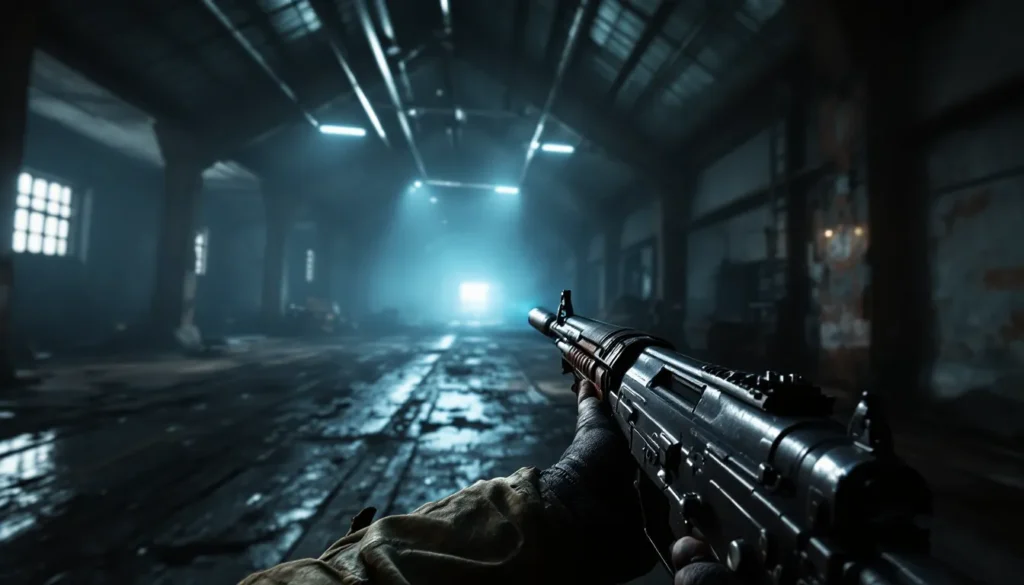
The reimagined classic hangar map serves as the entry point for many players. It’s cramped, forces early purchases, and teaches fundamental map flow. The map lacks power, forcing players to rely on Door purchases and clever chokepoint management to survive early rounds. This map is perfect for mastering the basics.
Shi No Numa
Set in a swamp, this map is mid-sized and offers better resources than Nacht. It features mud sections that slow zombie movement, multiple power stations, and a hidden Pack-a-Punch room that elevates weapon damage significantly. The map rewards exploration and map control, making it ideal for players transitioning to intermediate gameplay.
Der Anfang
Located in a village, Der Anfang is the most open and forgiving of the base maps. It has abundant ammo, multiple weapon choices, and easier access to perks. New players often find success here because the spacious layout allows for better training and kiting opportunities.
Groesten Haus
As the final base map, Groesten Haus is a large manor that demands strong map knowledge and resource awareness. It features the most challenging layout with numerous tight corridors, multiple zombie spawn points, and limited early-round ammo. Experienced players consider it the hardest base map.
Additional maps like The Shadowed Throne and Altar of Despair were added post-launch as DLC, offering fresh locations and refined mechanics. Each DLC map includes unique features like special weapon spawn systems, new perks, and exclusive Easter eggs.
The variety ensures that players can choose maps matching their skill level while still having challenges to overcome.
Essential Beginner Tips and Mechanics
Understanding the Basics
Before diving into advanced strategy, master the foundational mechanics. Movement is crucial, always keep circling and creating distance from the undead horde. Walking backward while firing is slower than forward movement, so position yourself strategically before engaging. Use 180-degree turns and mantling (jumping over obstacles) to escape tight situations.
Knifing is your bread and butter in early rounds. The knife deals massive damage per hit and is incredibly fast, allowing skilled players to earn points without firing a shot. On rounds one through three, knifing zombies yields more points than bullets, making it the dominant early-game strategy. But, as zombies get tougher, knifing becomes less viable, switch to firearms around round five or six depending on map and player preference.
The melee modifier system rewards consecutive knife hits with increasing point multipliers. Land five consecutive melees, and you earn triple points. This mechanic makes knife training in early rounds exceptionally rewarding and sets you up with funds for later purchases.
Point System and Resource Management
Points are the economy of Call of Duty WW2 Zombies. You earn them by damaging zombies, killing them, boarding windows, reviving teammates, and completing objectives. Every purchase, doors, weapons, perks, utility items, costs points. Managing your economy early determines your mid-game survival chances.
Here’s the point breakdown:
- Knife hits: 100 points each, triple multiplier at 5 consecutive hits
- Bullet damage: 10 points per hit (varies slightly by weapon type)
- Kills with bullets: 100 points base
- Window boarding: 100 points
- Reviving teammates: 100 points
- Reload canceling: Completing reload animations without firing grants bonus points
Door purchases typically range from 750 to 1,500 points depending on location. Weapon purchases from the wall cost 500–1,000 points, while Pack-a-Punch upgrades cost 5,000 points and significantly boost damage, magazine size, and fire rate. These are non-negotiable investments by round 10.
Early-game efficiency matters immensely. If you waste points on unnecessary weapon switches or early perk purchases, you’ll struggle when the horde becomes unmanageable. Prioritize securing the Pack-a-Punch machine and essential perks like Jug (Juggernog, which grants extra health) before attempting high rounds. Aim to have 10,000+ points by round 5 to ensure smooth mid-game progression.
Weapons, Perks, and Power-Ups
Best Weapons for Each Map
Weapon selection depends heavily on map layout, ammo availability, and round progression. Here’s a breakdown by map:
Nacht der Untoten
Stick with the MP40 submachine gun or Kar98k sniper rifle depending on your playstyle. The MP40 is accessible early and pairs well with knife training, while the Kar98k punishes precision and conserves ammo. By round 10, Pack-a-Punch either weapon to maintain relevance.
Shi No Numa
The Trench Gun (combat shotgun) dominates in the tight mud corridors. Its close-range lethality clears clusters efficiently. For ranged engagements, the Gewehr 43 assault rifle provides steady damage and decent ammo pools. Both Pack well and sustain through mid-rounds.
Der Anfang
The spacious layout favors assault rifles. The STG44 and Gewehr 43 excel at medium range, allowing you to engage safely from distance. If you prefer mobility, the Thompson submachine gun works wonderfully. The wide open areas make shotguns less practical here.
Groesten Haus
The complex layout demands weapons with strong ammo efficiency. The Karabin rifle and M1941 rifle deliver per-shot impact, minimizing wasted ammunition. Alternatively, the FG42 assault rifle balances power and fire rate, making it flexible across round ranges.
Advanced consideration: Every gun transforms when Pack-a-Punched (upgraded). A mediocre weapon can become a powerhouse after the upgrade, so don’t obsess over finding the “perfect” gun early, focus on reaching Pack-a-Punch first. The upgrade doubles damage, increases magazine size, and often alters the weapon’s firing behavior (some gain burst fire, for instance).
Perk Selection and Strategies
Perks are permanent upgrades purchased from vending machines and stay active for the entire match. They’re among your most critical purchases, and missing key perks significantly reduces your survival chances.
Essential Perks (Get These First)
- Juggernog (Jug): Grants three health bars instead of one. This is non-negotiable. You’ll die without it by round 10.
- Speed Cola: Halves reload times, drastically improving sustained DPS and survival in tight situations.
- Double Tap: Increases fire rate by 25%. Pairs exceptionally well with automatic weapons.
Strong Situational Perks
- Stamin-Up: Increases sprint duration and reduces fall damage. Invaluable for training and movement-heavy strategies.
- Death Machine: Grants a temporary powerful minigun, clearing hordes efficiently.
- Widow’s Wine (available on some maps): Creates traps around you when hit, stunning nearby zombies. Excellent for surviving mistakes.
Map-Specific Perks
Some maps feature unique perks unavailable elsewhere. Research your map’s perk selection before the match, missing a perk might force you to adjust your entire strategy. For instance, Nacht lacks Stamin-Up, making movement-focused training harder.
Budget approximately 2,000–2,500 points per perk depending on location. Purchasing four perks typically requires 8,000–10,000 points. Prioritize Jug and Speed Cola, then select two additional perks based on your playstyle and map.
Power-Up Effects and Optimal Usage
Power-ups drop randomly from killed zombies and provide temporary or permanent boosts. Understanding their effects and using them tactically separates competent players from great ones.
Instant Power-Ups (Temporary Buffs)
- Nuke: Instantly kills all zombies on the map. Best used when overwhelmed or when you need breathing room to rebuild resources.
- Insta-Kill: All zombie kills yield 400 points and instant elimination regardless of weapon or distance. Use this aggressively to rack up points and eliminate tough zombies.
- Max Ammo: Refills all weapons to maximum capacity. Timing is critical, activate when your team is low on bullets during a round’s end.
- Double Points: All earned points are doubled for 30 seconds. Knife zombies relentlessly during this window to multiply your economy.
Persistent Power-Ups
- Carpenter: Instantly rebuilds all boarded windows. Use this when windows are completely broken and you need to re-establish chokepoints.
- Fire Sale: Lowers machine prices by 10 cents for a limited time. Stock up on ammo, perks, and utilities.
Strategic Deployment
Don’t waste Insta-Kill on solo kills. Bank it for moments when you’re surrounded and need maximum point generation. Similarly, hold Nuke for desperate situations, using it early wastes its potential. Double Points is best paired with knife training in early rounds or when your team is stacking corpses. Communication matters: if teammates know a power-up is coming, they can position themselves to capitalize.
One pro tip: some advanced players intentionally ignore power-ups early and collect them in later rounds when they’re more valuable. This requires discipline but maximizes their impact.
Advanced Strategies for High Rounds
Map Control and Training Techniques
As rounds escalate, raw shooting becomes insufficient. Zombie health increases exponentially, spawns intensify, and mistakes mean instant death. High-round survival hinges on map control, owning specific sections of the map and methodically clearing zombies rather than engaging in frantic firefights.
Training is the primary high-round technique. It involves deliberately running in circles (usually around the map’s perimeter or through specific corridors) while spraying zombies with Pack-a-Punched weapons. As zombies chase, they form a trail behind you. When the corridor fills with undead, you dash through a choke point and begin another lap. This cycle minimizes hits taken and maximizes kill efficiency.
Key training routes vary by map but generally exploit wide corridors and tight doorways. On Shi No Numa, many players train around the exterior mud path, using the narrow gate as a cut-through point. On Der Anfang, the open village allows for expansive loops. Identify your map’s optimal training zone by playing casually first, you’ll quickly notice routes that feel safe and sustainable.
Window management underpins successful training. Windows slow zombies when boarded, creating literal barriers between you and the horde. Rebuild windows strategically, never rebuild every window simultaneously. Focus on the corridors where you’re circling. If a window in your training area breaks, prioritize rebuilding it immediately. A broken window can turn a safe loop into a death trap.
Spawn camping, intentionally positioning yourself near spawn points to kill zombies before they spread, is effective early but scales poorly. By round 15+, spawns overwhelm single players, forcing a return to training methods. Communicate with teammates about spawns: if one player handles a spawn area, others focus on different zones.
Survival Tactics and Revive Management
In four-player games, coordination and revive management determine whether your team pushes into the 30s or crashes at round 20. Every teammate matters, a single disconnection dramatically increases difficulty.
Revive Mechanics: When downed, teammates have limited time before they’re eliminated. Reviving grants 100 points and restores them to half health. Always have at least one player focused on revives: ignoring a downed teammate is team suicide. Designate a “reviver” if rotating through training zones.
Revive Strategy Tips:
- Prioritize high-round players: If one teammate has more kills or has survived longer, prioritize their revive.
- Position for safety: Don’t sprint across the map to revive someone, you’ll likely die too. Only revive if you have clear sightlines and minimal zombie presence.
- Self-revive options: Some maps feature **Rebirth” mechanisms or special items that grant self-revive. Understand your map’s options and coordinate who uses them when.
- Stack on experienced players: New players should stay near veterans, making revives easier and teaching proper strategies through observation.
Resource Pooling: High-round survival requires collective resource management. If one player has 15,000 points and another has 500, the team suffers. Encourage teammates to spend strategically, sometimes, giving points to struggling players by allowing them kills is better than hoarding. This is especially true for utility items like Nukes and Insta-Kill power-ups.
Damage Mitigation: Reduce incoming damage by:
- Strafing while firing (move sideways, never stand still)
- Utilizing cover when available
- Maintaining distance from the horde (zombies only damage you on melee, so kiting preserves health)
- Using Jug to absorb extra hits
- Rotating “safe” zones where your team retreats when overwhelmed
Going into round 20+ without a solid revive strategy and resource discipline results in wipes. Teams that reach the 30s+ execute these tactics flawlessly.
Multiplayer and Easter Eggs
Co-Op Gameplay Tips
Call of Duty WW2 Zombies is designed for squad play. Co-op introduces mechanics solo players never encounter, like revives and shared resources, but also multiplies the fun and challenge. Here’s how to excel with a team:
Communication is paramount. Use voice chat (Discord, console party, or in-game) to callout zombie locations, plan purchases, and coordinate strategies. A silent team drifts toward chaos. Establish callouts for map areas: “Training in kitchen,” “Rebuild window at gate,” “I’ve got the spawn.” This clarity prevents overlapping efforts and deaths.
Load balancing means diversifying roles. Designate one player as the reviver (positioned centrally, ready to assist), one as the utility manager (managing perks and power-ups), and others as primary trainers (focusing on high-round survival). Rotating these roles prevents burnout and keeps everyone engaged.
Ammo economy becomes critical when four players burn through bullets. Avoid spraying unnecessarily. When Max Ammo drops, everyone should maximize their magazine during that brief window. Similarly, when one player has low ammo, don’t burn shots, let them farm points by knifing while others cover.
Difficulty scaling in co-op is brutal. Four-player games spawn more zombies and health scales per player. This sounds disadvantageous, but a coordinated squad leverages the increased zombie count for faster kills and points. Uncoordinated squads get swarmed. Practice rotations and agree on a general strategy beforehand, don’t experiment mid-round.
For newer players joining a high-level squad, ask what role they should fill. Veterans understand pacing and positioning: following their lead is often smarter than improvising. Also, don’t be discouraged if you’re the first downed in early attempts, learning curves exist, and patience builds better teams.
Hidden Easter Eggs and Secrets
Call of Duty WW2 Zombies is densely packed with Easter eggs, hidden narrative events, secret weapons, and lore-expanding content. While lengthy Easter egg hunts fall outside typical gameplay, knowing major secrets enhances immersion and occasionally grants in-game advantages.
Story Easter Eggs: Each map features a “main quest” that players can activate by collecting items and triggering events. Completing it unlocks story cutscenes and sometimes grants permanent bonuses like extra points or weapon upgrades. These quests reward exploration and teamwork. For instance, Nacht der Untoten’s main quest involves restoring power and facing unique challenges. Pursuing these quests is rewarding and flavors your playstyle.
Secret Weapons: Some maps hide wonder weapons, unique, overpowered guns accessible only via complex procedures. The Wunderwaffe DG-2 (ray gun-equivalent) appears on certain maps and trivializes rounds if obtained. Finding these requires knowledge or luck: community forums list exact locations. Once acquired, they’re game-changers for pushing high rounds.
Buildable Items: Scattered throughout maps are parts for buildable utilities like grenades, traps, and consumables. Collecting three parts builds the item, it’s a miniquest encouraging exploration. Some buildables are cosmetic: others provide tactical advantages.
Dialogue and Lore: NPCs comment on your actions, drop hints about the map’s backstory, and unlock dialogue trees as you progress. Listening to conversations (especially between rounds) enriches the narrative. Some lore-focused players intentionally slow their runs to absorb story elements.
Community Resources: Sites like The Loadout and IGN maintain comprehensive Easter egg guides for each map. If you’re stuck, these resources catalog step-by-step solutions. But, discovering secrets yourself is far more satisfying, reserve guides for genuine roadblocks.
One famous secret: on certain maps, standing in specific locations and looking at hidden triggers (like graffiti or chalk markings) unlocks achievement hunts. These are breadcrumbs leading to deeper lore. Players who engage with these secrets develop a richer appreciation for the narrative design.
Common Mistakes and How to Avoid Them
Even experienced players fall into traps that tank otherwise solid runs. Recognizing and preventing these mistakes separates casual players from consistent high-round achievers.
Neglecting Early-Game Resource Building
New players rush to find perks and weapons, abandoning the knife training economy. This leaves them underfunded by round 5. Instead, commit to knife training in rounds 1–3, building a 3,000+ point buffer before purchasing anything. Patience early yields exponential returns later.
Ignoring Map Layout
Walking blind into doors and tight areas without understanding the map is suicide. Spend 10 minutes in a custom game exploring every corner, noting door prices, weapon locations, and perk machines. This knowledge is your safety net when the horde closes in.
Forgetting Pack-a-Punch
Weapons lose effectiveness rapidly without upgrades. By round 8, unupgraded guns barely dent zombies. Make Pack-a-Punch a non-negotiable goal by round 5–6. Delay it further, and you’re fighting an uphill battle. Mastering Call of Duty includes understanding weapon progression and when to upgrade.
Hoarding Ammunition
Some players fire sparingly, fearing ammo shortages. This creates a vicious cycle: low ammo kills, forcing knife training, which yields no kills, which prevents progression. Instead, fire liberally and grab Max Ammo power-ups to replenish. Ammunition is unlimited if you farm points and manage drops.
Standing Still During Combat
Stationary players are dead players. Strafe, circle, and maintain distance. The moment you stop moving, zombie melee attacks stack up. Even in “safe” areas, subtle movement keeps you sharp and reactive.
Reviving Without Safety
Players often sprint across the map to revive a teammate, only to get downed themselves. Revive only when you’ve secured the surrounding area. If multiple teammates are down, prioritize the most skilled (they’ll recover faster) and regroup before attempting additional revives.
Poor Perk Selection
Buying niche perks like Perk-a-Cola before grabbing Jug and Speed Cola is backwards. Stick to essentials first, then adapt based on your playstyle. Some players also waste points on perks they don’t need, evaluate before purchasing.
Wasting Power-Ups
Using Nuke to clear three zombies or Insta-Kill on single targets squanders their potential. Save Nuke for overwhelming moments. Bank Insta-Kill for high-round clusters. Timing multiplies their value.
Playing Solo When You’re New
Co-op with experienced players accelerates learning. Watching how veterans position, manage resources, and handle pressure teaches more than solo practice. Find a community and squad up regularly. Call of Duty Ghosts Extinction offers similar co-op gameplay that develops team coordination skills.
Inadequate Communication in Multiplayer
Silent teams fail spectacularly. Even casual players should callout positions, alert teammates to threats, and coordinate purchases. A quick “I’m low on ammo” prevents confusion and deaths. Invest in a headset: it’s worth it.
Ignoring Zombies Spawning Behind You
While training, zombies spawn at map edges. Periodically check your 6 o’clock (behind you) to ensure spawns haven’t cut off your escape. A surprise horde behind you ends runs immediately. Awareness and occasional rotations prevent this.
Avoiding these pitfalls doesn’t guarantee high-round success, skill, practice, and a bit of luck matter, but it removes preventable failure modes and lets your actual abilities shine.
Conclusion
Call of Duty WW2 Zombies rewards understanding, patience, and teamwork. Whether you’re pushing your first round 20 or grinding toward round 50, the fundamentals, point management, map control, perk prioritization, and revive discipline, remain constant. The game respects skill: players who invest time to learn mechanics, practice training routes, and study Easter eggs naturally progress further than button-mashers.
Start with the basics laid out here: master a single map, learn its training zones, and focus on surviving to round 10 consistently. Once comfortable, experiment with weapon variety, co-op squads, and advanced strategies. Join communities on Reddit (r/CODZombies) or Discord for tips, competitive leaderboards, and social gaming. Watching tournament plays on Game Informer provides inspiration and reveals techniques you haven’t considered.
The beauty of Zombies is that every run teaches something, a tighter route, a better perk combination, or a clutch revive moment. Even veteran players discovering new strategies after hundreds of hours proves how deep the mode is. Set personal goals (first round 30, speedrun a map, complete all Easter eggs), grind toward them, and celebrate wins, no matter the round number.
Call of Duty WW2 Zombies isn’t just about survival: it’s about mastery, camaraderie, and the visceral satisfaction of eliminating hordes of undead. Grab a squad, load in, and start your next run. You’ve got this.