



Table of Contents
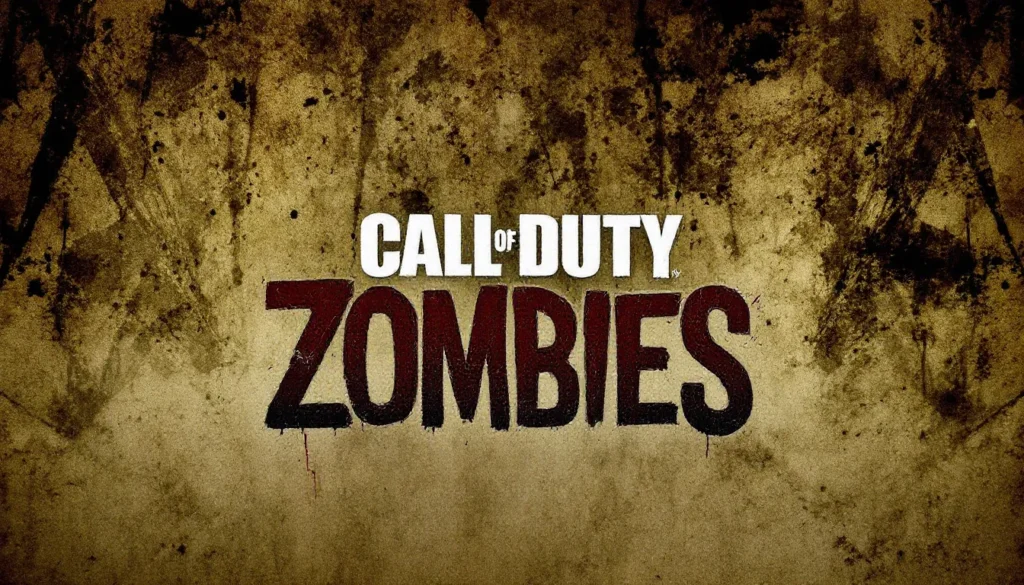
ToggleThe Call of Duty Zombies logo stands as one of the most recognizable symbols in gaming history. Walk into any esports lounge, gaming convention, or competitive streaming setup, and you’ll spot its distinctive undead aesthetic somewhere, whether on a jersey, a stream overlay, or plastered across merchandise. But this logo didn’t just materialize fully formed. It’s the result of over a decade of iteration, cultural influence, and deliberate design choices that transformed a game mode into a franchise powerhouse. Understanding what makes this logo tick reveals something deeper about how visual identity shapes gaming culture and player attachment. The Zombies mode itself has evolved dramatically since World at War’s debut in 2008, and the logo has evolved right alongside it, becoming a symbol of nostalgia for veterans and an entry point for newcomers curious about Call of Duty’s darkest, grittiest corner.
Key Takeaways
- The Call of Duty Zombies logo has evolved from minimal World at War branding to a sophisticated, iconic symbol recognized globally across merchandise, esports venues, and gaming culture.
- The logo’s design psychology—distressed typography, asymmetrical composition, and a palette of blacks, grays, sickly greens, and neon accents—directly communicates the high-stakes, wave-based survival gameplay experience.
- The Call of Duty Zombies logo exists in multiple technical formats (vector, raster, and platform-specific variations) optimized for diverse applications from mobile screens to large-format promotional banners.
- Fan creativity and community reinterpretations of the Zombies logo demonstrate its cultural penetration beyond gaming, influencing fashion, art, and serving as a rallying point for competitive and casual players alike.
- Comparing the Zombies logo to other franchises reveals its unique rejection of polish in favor of raw, chaotic aesthetics—differentiating it from Resident Evil’s sleekness and Fortnite’s playfulness while cementing its status as one of gaming’s most distinctive survival game brands.
What Is The Call Of Duty Zombies Logo?
At its core, the Call of Duty Zombies logo is the visual identity of one of gaming’s most enduring cooperative game modes. It’s not just a simple graphic, it’s become the face of a mode that’s generated billions in engagement across seven console generations and multiple PC platforms.
The logo typically features distressed, decay-inspired typography paired with undead imagery and a color palette heavy on blacks, grays, and sickly greens. What makes it distinctive is how it walks the line between comic book excess and survival horror. It’s instantly readable at thumbnail size on YouTube, distinct enough to stand out on a t-shirt, yet detailed enough to reward closer inspection. Players across platforms recognize it immediately, whether you’re on PS5, Xbox Series X/S, or PC.
The symbolism runs deep. It’s not just branding: it’s a shorthand for a specific gameplay experience: waves of enemies, time pressure, resource scarcity, and the kind of high-stakes tension that separates Zombies from the competitive multiplayer side of the franchise. The Call of Duty Logos: Uncover the Evolution and Impact Behind Iconic Designs showcases how each mode within the franchise developed its own visual language, but Zombies’ logo stands out for its raw, visceral energy.
The Design Evolution Of The Zombies Logo Across Games
Early Iterations: World At War Through Black Ops
When Treyarch introduced the Zombies mode in World at War (November 2008), the branding was bare-bones. The logo was utilitarian, almost minimalist by today’s standards, simple text-based design with minimal flourish. It needed to look distinct from the campaign and multiplayer branding, but it didn’t carry the weight of expectation it does now. The original used blocky, aggressive fonts with subtle undead undertones.
By Black Ops (2010), things started changing. The logo gained more personality. The text became more distressed, with cracks and decay texture applied. This was intentional, Treyarch wanted the branding to feel compromised, damaged, like the undead threat itself was warping the visual identity. The introduction of color grading toward sickly yellows and greens reflected the eerie atmosphere they’d established in maps like Kino der Toten and Five.
Black Ops II (2012) ramped things up further. The logo became sharper, more angular, with a definite cyberpunk-meets-zombie-horror vibe. That Cold War aesthetic infused everything, including the branding. Players noticed, streamers picked up on it, and merchandise sales spiked. The logo wasn’t just identifying a game mode anymore, it was becoming collectible.
Modern Era: Black Ops Cold War And Beyond
Black Ops Cold War (November 2020) marked a watershed moment for Zombies branding. Raven Software and Treyarch completely overhauled the visual identity. The new logo feels simultaneously retro and contemporary. It leans into 1980s-inspired aesthetics without looking dated. The typography is cleaner but still aggressive, paired with a more sophisticated color palette that favors deep purples, electric blues, and neon accents alongside the traditional decay imagery.
The Cold War era introduced something crucial: recognizable, tiered branding. The main Zombies logo works across all promotional materials, but variant versions exist for specific seasons and map drops. This mirrors how esports organizations develop sub-branding. By Cold War’s third season (April 2021), the Zombies logo had become as sophisticated as any triple-A title’s main branding.
Black Ops 6 (October 2024) continues this trajectory. The logo incorporates dynamic elements, it can shift and pulse in promotional materials, giving it an almost living quality that mirrors the undead threat central to the mode’s fantasy. The current iteration balances nostalgia (acknowledging the retro-horror roots) with cutting-edge digital design. It works equally well on a 4K monitor or a mobile phone screen, which matters when your audience is streaming on multiple platforms simultaneously.
The evolution reflects competitive balance patches and meta shifts too. When Treyarch makes major mechanics changes, buffing certain weapons, nerfing farming strategies, altering perk availability, the logo remains constant, providing visual continuity through the chaos. Across Call Of Duty Archives and community discussions, players note that logo updates often coincide with seasonal resets, signaling fresh content and recalibrated strategies.
Symbolism And Meaning Behind The Logo Design
Color Psychology And Visual Elements
The color palette of the Zombies logo operates on multiple levels. Black dominates as the foundational color, emptiness, danger, the unknown. It’s the color of night and death, which makes sense for a mode where survival depends on fighting in darkness. Gray accents suggest decay and degeneration: they’re colors of things that are dying or already dead.
Green, when it appears, channels specific imagery: bioluminescence, radiation, infection, chemical warfare. Since Black Ops Cold War introduced more prominent green accents, it’s evoked Cold War-era anxieties about biological and chemical threats. The visual language shifted from “classic undead” to “scientifically disturbing undead,” and the colors shifted accordingly.
Neon accents in the modern logo (particularly purple and blue) serve a dual purpose. They convey technological intrusion, the idea that something unnatural has been done to create these zombies through science rather than supernatural means. But they also signal energy, hyperactivity, the frenetic pace of wave-based survival gameplay. Competitive players recognize neon accents as signifiers of high stakes and intense play.
How The Logo Reflects The Zombies Experience
The typography itself tells a story. Distressed lettering, cracks, breaks, decay texture, communicates impending collapse. Nothing about the Zombies logo looks stable or comforting. It’s not the clean, professional branding of Call of Duty’s multiplayer competitive ecosystem. It’s rougher, meaner, more primal.
The asymmetry in modern logo iterations matters too. Where multiplayer logos tend toward centered, balanced composition, the Zombies logo often tilts slightly, as if destabilized. This micro-choice creates psychological unease, which is exactly what Zombies demands from its players. You’re not meant to feel secure. You’re supposed to feel hunted.
Images of rotting hands, skulls, and undead faces that appear in various logo iterations reinforce the core fantasy: you’re not fighting military soldiers or terrorists, you’re fighting extinction-level threats that don’t follow normal rules. The Ultimate Symbol of Stealth and Style in Gaming discusses how other Call of Duty visual identities communicate gameplay feel, and the Zombies logo arguably does this more effectively than any other variant. Its design says “difficulty,” “cooperation required,” and “high engagement expected” without a single word of explanation.
The Logo’s Impact On Gaming Culture And Brand Recognition
Iconic Status Among The Gaming Community
The Call of Duty Zombies logo has transcended its original purpose as mode branding to become a cultural artifact. Type “Zombies logo” into any gaming image search, and you’ll see thousands of fan recreations, custom variations, and interpretations. This organic adoption is rare for game branding, it suggests the logo hits something genuinely meaningful in the community.
Competitive Zombies communities have adopted the logo as their identifier. When esports organizations run Zombies-specific tournaments, the logo appears prominently. Streamers with Zombies-focused channels use it across all their platforms. The logo has become shorthand for “I take wave-based survival gameplay seriously,” which means it carries implicit competence signals. Newer players see the logo and think “this is where the hardcore players hang out.”
Nostalgia drives significant recognition too. Players who grew up with Black Ops (2010) carry emotional attachment to the original logo. Those who peaked during Black Ops II (2012) remember grinding survival to round 255 with a crew of friends. When Cold War’s redesigned logo dropped, there was genuine debate in communities: was the new design respectful to the legacy, or was it abandoning the franchise’s roots? This kind of passionate discourse only happens with logos that matter culturally.
The logo appears in unlikely places now. Gaming cafes in Asia feature it on signage. Esports venues display it on broadcasting graphics. Content creators use it as thumbnail art because it’s distinctive and immediately communicates the content’s nature. This saturation doesn’t dilute its power, if anything, it reinforces that Zombies occupies a unique space in the Call of Duty ecosystem.
Merchandise And Real-World Applications
Merchandise tells the story of a logo’s market penetration. The Zombies logo appears on apparel, hoodies, t-shirts, caps, at price points that reflect genuine demand, not desperation to clear inventory. Limited drops of Zombies-branded gear sell out. Players want to signal their affiliation visually, and the logo gives them a tool to do that.
Collectibles are another indicator. High-end merchandise featuring the logo, statues, plaques, premium apparel, moves units at retail. Gaming lounges and esports facilities commission custom graphics incorporating the logo. Tournament organizers license it for event branding. This commercial infrastructure doesn’t exist around logos that don’t resonate.
The logo also appears in unexpected contexts: anime conventions, underground fashion brands, independent artists’ portfolios. When a gaming logo influences fashion and visual culture beyond gaming specifically, it’s achieved iconic status. The Zombies logo operates at that level. It’s recognizable to people who don’t play Call of Duty, which is the hallmark of truly successful branding.
According to esports coverage platforms, Dexerto frequently covers Zombies esports and community achievements, and the logo appears consistently in those articles. The visual consistency across professional media coverage reinforces the logo’s authority and legitimacy.
Technical Details: Creating And Using The Logo
Design Specifications And File Formats
Understanding the technical specifications of the Zombies logo reveals the sophistication behind its design. The logo exists in multiple versions optimized for different contexts: a full horizontal lockup for wide formats (posters, banners), a vertical stack for narrower spaces (mobile, streaming overlays), and a compact square version for favicons and social media profile pictures.
Color specifications vary by context. Print versions use CMYK color separation for physical merchandise. Digital versions shift to RGB for screens, with distinct variants for light backgrounds (inverted) and dark backgrounds (standard). The color variance isn’t arbitrary, the logo needs to maintain visual impact across all media, which requires technical precision.
Typography in the official logo uses custom fonts derived from industry-standard typefaces but heavily modified. Treyarch doesn’t release the exact font specifications publicly, but designers examining the logo can approximate it using fonts like Bebas Neue or Oswald with significant distressing applied. The spacing, kerning, and baseline shifts are all deliberate, calculated to enhance the sense of instability and danger.
File formats matter for different purposes. Vector files (AI, EPS, SVG) maintain sharpness at any scale, crucial for large-format printing and high-resolution displays. Raster formats (PNG, JPG with transparency) serve web and social media. Black and white versions exist for contexts where color reproduction isn’t reliable. Each format serves a specific technical requirement.
Where To Find Official Logo Assets
Official Call of Duty Zombies logo assets are primarily available through Activision’s official channels and licensed distributor networks. The Call of Duty official website maintains a press kit with downloadable logo files, though these require appropriate usage agreements. Content creators and streamers can access logos through Twitch’s official Call of Duty assets or direct partnership with Activision.
For community creators and fan projects, Activision maintains relatively permissive fair-use policies around the logo, especially for non-commercial content. Fan artists use the logo as reference material, creating variations that respect the source while adding personal flair. The official Zombies community hub on the Call of Duty website provides guidelines on appropriate usage.
Third-party sites have compiled high-resolution versions of the logo across its historical evolution, useful for design students, historians, and community archivists. These archives serve as visual documentation of the logo’s journey. Gaming-focused design resources occasionally feature the Zombies logo as a case study in effective esports branding.
For merchandise production, licensed vendors receive official assets through Activision’s licensing agreements. This ensures that t-shirts, hats, and collectibles use accurate, approved versions of the logo. Unofficial merchandise exists, of course, but it typically uses lower-resolution or approximated versions, which becomes obvious when compared to official products.
Platform-specific variations appear across Call of Duty’s digital ecosystem. The PlayStation Store features the logo in specific visual treatments optimized for that platform. Xbox Game Pass integration shows platform-appropriate versions. Cross-platform consistency remains important, a player jumping from PS5 to PC shouldn’t see jarring visual differences in how the logo appears.
Fan Interpretations And Creative Takes On The Zombies Logo
The gaming community’s creative response to the Zombies logo demonstrates its cultural weight. Fan artists have generated thousands of variations, reinterpretations, and mashups. Some artists lean into horror aesthetics, amplifying the undead elements. Others blend the logo with other franchises, creating crossover art that imagines Zombies colliding with properties like Resident Evil, The Last of Us, or even anime series.
Custom logo redesigns emerge periodically from the community. Some fans argue that certain era logos deserve reimagining with modern design principles. Others create “what if” versions imagining how the logo might evolve if Zombies spawned a spin-off franchise or cross-media adaptation. These fan designs rarely gain official adoption, but they circulate in creative communities and influence how players discuss logo design philosophically.
Content creators personalize the logo for their channels. A streamer might use a logo variation with their channel’s color scheme embedded, or commission custom artwork blending the Zombies logo with their personal brand. This creates thousands of micro-variations that maintain visual connection to the official branding while expressing individual identity.
Social media has amplified this creative output. Twitter, Instagram, and TikTok communities dedicated to Call of Duty art frequently feature original logo interpretations. Some artists use the logo as a jumping-off point for broader artwork exploring Zombies’ lore, characters, or atmosphere. The logo serves as both a recognizable anchor and a creative springboard.
The most interesting fan creations are those that recontextualize the logo entirely. An artist might place the Zombies logo in a historical photograph, or layer it into a landscape painting, or incorporate it into visual essays about gaming culture. These experiments prove that the logo’s visual language is flexible enough to work in contexts far removed from gaming. That’s the mark of genuinely effective design, it communicates something fundamental beyond its original context.
Modding communities have created in-game logo variations, custom HUD elements incorporating the logo, and texture packs that reimagine the logo in different aesthetic styles. While Zombies itself isn’t a traditional modding platform, the community’s technical creativity around the brand shows how deeply it’s integrated into players’ creative consciousness.
Online forums and The Loadout frequently showcase community artwork and fan designs, providing platforms where creative takes on the Zombies logo gain visibility. This exposure validates community contributions and encourages further creative iteration, creating a feedback loop that keeps the logo culturally relevant beyond official updates.
How The Logo Compares To Other Gaming Franchise Logos
Comparing the Zombies logo to other major gaming franchises reveals why it’s so distinctive. The Resident Evil logo emphasizes corporate sleekness, clean typography, minimal ornamentation, professional polish. The Zombies logo rejects that approach entirely, embracing distress and chaos. This reflects gameplay philosophy: Resident Evil positions itself as cinematic, polished horror: Zombies is raw, chaotic survival.
The Rainbow Six Siege logo uses geometric precision and symmetry. It communicates order, strategy, tactical control. Zombies’ asymmetrical, tilted composition does the opposite, it suggests chaos is winning, that safety is provisional. Two franchises within the same publisher making fundamentally different statements through their visual identity.
Compared to Fortnite’s logo, which emphasizes playfulness and accessibility even though being a competitive juggernaut, Zombies takes an entirely opposite tonal approach. Fortnite says “fun for everyone.” Zombies says “this is hard, and you might not survive.” The logos reflect these different market positions perfectly.
The League of Legends logo uses ornate fantasy aesthetics, a look of established power, legacy magic, intricate worldbuilding. Zombies borrows from horror and survival, not fantasy. Where League feels timeless and regal, Zombies feels urgent and endangered. Different games, different visual languages, same principle: the logo telegraphs what players should expect.
Within Call of Duty itself, the contrast is stark. Multiplayer’s sleek, militaristic branding emphasizes competitive balance and esports legitimacy. Warzone’s logo leans futuristic and cinematic. Campaign’s branding varies by setting. But Zombies stands alone, it’s the dark cousin, the mode that doesn’t fit the military shooter template. The logo reflects that outsider status perfectly. It doesn’t apologize for being weird: it celebrates it.
According to IGN’s coverage of gaming franchises, iconic logos generally share one quality: they communicate what the game is about without requiring explanation. The Zombies logo does exactly this. Before anyone reads the text, the visual language says “danger,” “survival,” “desperation,” and “you’re not prepared.” That’s masterclass branding. Most gaming logos try to look cool: the Zombies logo makes you feel something before you’ve even loaded the game.
Industry-wide, designers study the Zombies logo as a case study in survival game branding. It demonstrates how to make decay aesthetic work alongside competitive legitimacy, how a game mode can have a visual identity that’s both respected by hardcore players and distinctive enough to build merchandising around. That’s a narrow target, and the Zombies logo hits it precisely.
Conclusion
The Call of Duty Zombies logo is far more than a simple graphic slapped onto a game mode. It’s the visual embodiment of a specific gameplay experience, wave-based survival, cooperative pressure, resource scarcity, and the kind of tension that builds toward moments of either triumph or catastrophic failure. From its humble beginnings in World at War’s minimal branding through the cutting-edge design of Black Ops 6, the logo has evolved alongside the mode itself, always maintaining its core identity while embracing new aesthetic directions.
What makes it genuinely remarkable is how it functions simultaneously at multiple scales. It works as a tiny favicon on your browser tab, as a massive banner at esports events, as collectible merchandise, and as a rallying point for a global community. This versatility doesn’t happen by accident, it’s the result of deliberate design choices rooted in psychology, gaming culture, and the specific demands of survival gameplay.
The logo’s cultural penetration extends beyond gaming now. It appears in unexpected places, influences fashion, inspires creative reinterpretation, and serves as shorthand for an entire category of intense, cooperative gameplay. For players who’ve survived thousands of rounds, the logo carries emotional weight. For newcomers, it signals entry into something serious and challenging. That duality, accessibility plus credibility, is rare and valuable.
As Call of Duty continues evolving and new generations discover Zombies, the logo will likely continue its evolutionary journey. What remains constant is its purpose: to communicate that you’re entering territory where comfort is temporary, where waves of undead threats require strategy and teamwork, and where the only way to survive is to understand that every second counts. The logo says all of this without a single word, which is precisely why it’s endured for over a decade and why it’ll remain central to Call of Duty’s identity for years to come.